

How Parents Can Introduce Children to Jain Spiritual Teachings Through Animation
For children, spiritual education can begin with simple conversations about their thoughts, actions, choices, and relationships with others. Parents do not need to explain every philosophical concept at once.
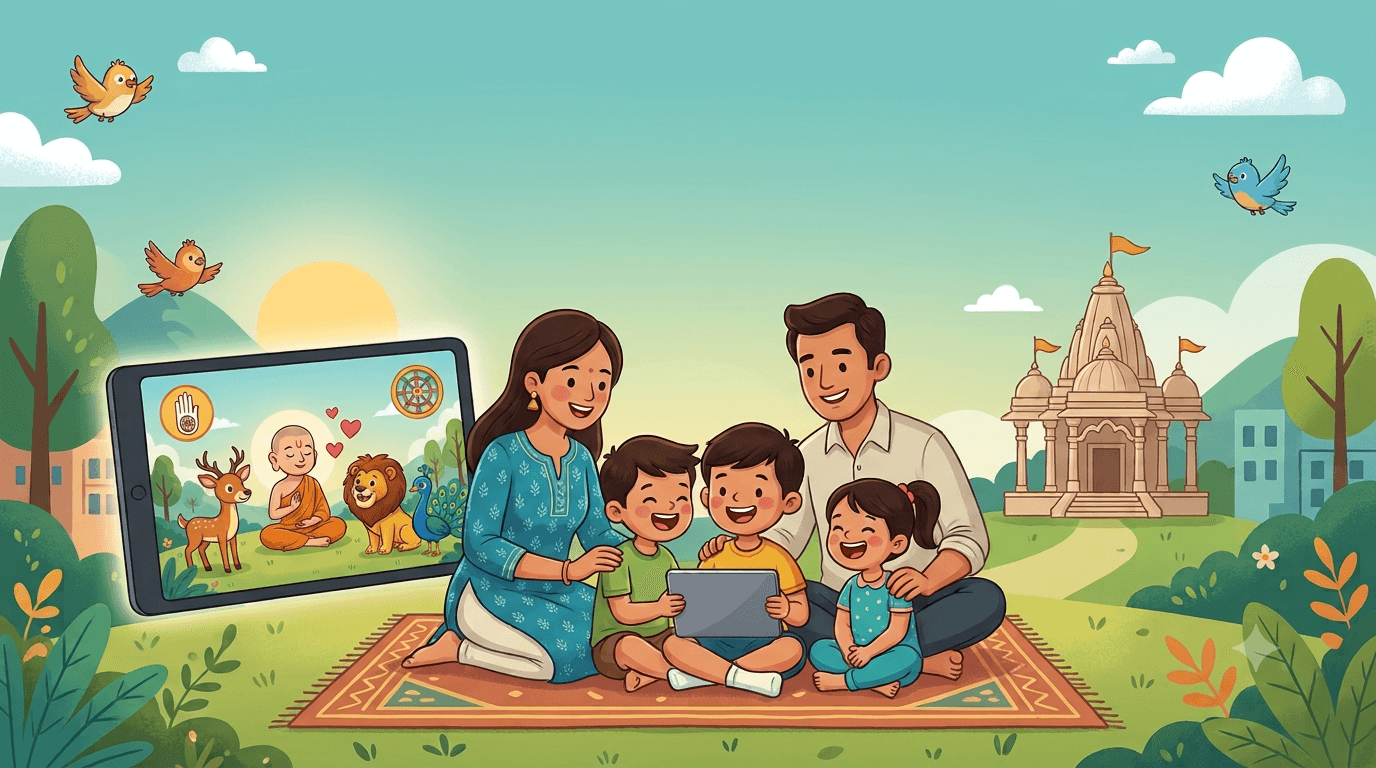
In today's digital world, children are surrounded by cartoons, videos, games, and interactive entertainment. While these activities can be enjoyable, parents can also use digital content to introduce meaningful lessons about values, self-awareness, and spirituality. Jain spiritual teachings offer valuable insights into the nature of the soul, karma, compassion, and the importance of right understanding. However, explaining these philosophical ideas to young children can sometimes be challenging.
Animation provides an engaging way to make traditional wisdom more accessible to younger generations. Through visual storytelling, relatable examples, and simple explanations, parents can help children explore spiritual concepts in a way that encourages curiosity and reflection. Chhahdhala offers a modern way to engage with traditional Jain spiritual literature through animated experiences, helping families bring timeless teachings into everyday learning.
Understanding the Importance of Jain Spiritual Education
Jain philosophy explores the relationship between the soul, karma, right knowledge, right faith, and right conduct. These teachings encourage individuals to look beyond temporary possessions and external identities to understand the deeper nature of the self.
For children, spiritual education can begin with simple conversations about their thoughts, actions, choices, and relationships with others. Parents do not need to explain every philosophical concept at once. Instead, they can introduce ideas gradually, allowing children to develop an understanding appropriate to their age.
Learning about spiritual values can also encourage children to become more thoughtful about their behaviour and the consequences of their decisions. When presented with patience and clarity, these teachings can become a meaningful part of family learning.
Why Animation Makes Spiritual Learning Engaging
Traditional spiritual texts may contain ideas that are difficult for children to understand without guidance. Animation can help bridge this gap by presenting concepts through visuals, narration, characters, and structured storytelling.
Children often respond well to information that combines sound and imagery. Animated explanations can make unfamiliar ideas easier to follow and encourage them to ask questions about what they see and hear.
For example, a discussion about the soul may initially seem abstract to a young learner. Parents can use an animated episode as a starting point for explaining the difference between a person's deeper identity and temporary external circumstances.
Animation does not replace the depth of traditional literature. Instead, it can serve as an introduction that encourages children to explore important ideas with their parents and gradually develop a deeper understanding.
Introducing Children to Chhahdhala Through Animated Experiences
Chhahdhala is a significant work of Jain spiritual literature that explores the nature of the soul, karma, and spiritual understanding. Its teachings offer opportunities for reflection on identity, attachment, knowledge, and the journey towards liberation.
Parents can introduce children to Chhahdhala by watching its animated episodes together and discussing the ideas presented. Rather than expecting children to understand every concept immediately, families can focus on one lesson at a time.
Before watching an episode, parents can briefly explain the topic and encourage children to pay attention to the main ideas. After viewing, they can ask what the child found interesting, what questions arose, and which lesson stood out.
This approach turns screen time into an opportunity for meaningful discussion. It also helps children understand that spiritual learning is not limited to books or formal lessons but can be explored through stories and conversations.
Explaining the Concept of the Soul in Simple Language
One of the important themes in Jain philosophy is the distinction between the soul and temporary external circumstances. Children may naturally associate identity with their names, appearances, possessions, achievements, or social roles.
Parents can use everyday examples to encourage deeper thinking. They might ask children whether changing clothes, learning a new skill, or moving to a different school changes who they are at the deepest level.
Such questions can introduce the idea that external circumstances change while spiritual teachings encourage reflection on the nature of the self.
Parents should avoid making the explanation unnecessarily complicated. The objective is to encourage curiosity and provide a foundation for future learning. Animated storytelling can support this process by presenting philosophical ideas in a format children find easier to engage with.
Teaching Children About Karma and Their Actions
Karma is another important concept in Jain philosophy. Introducing it to children requires thoughtful explanations that suit their age and understanding.
Parents can begin by discussing how actions, intentions, and choices influence experiences and relationships. For example, speaking honestly can help build trust, while hurting another person can damage a friendship.
These everyday situations provide opportunities to discuss responsibility, awareness, and the importance of considering the consequences of one's actions.
Parents should distinguish these practical examples from the full philosophical meaning of karma in Jain teachings. Jain philosophy presents karma as a deeper concept connected with the soul, rather than simply a system in which every good or bad action produces an immediate result.
Through animated learning and family conversations, children can gradually become familiar with the concept while developing a thoughtful attitude towards their behaviour.
Encouraging Self-Awareness and Reflection
Children experience different emotions throughout the day, including happiness, frustration, excitement, disappointment, and jealousy. Spiritual learning can provide opportunities to help them recognise these experiences and reflect on their responses.
After watching an animated episode, parents might ask questions such as, "What did you learn from this story?" or "How could this idea help you understand yourself better?"
These conversations encourage children to think independently rather than simply repeat what they have heard.
Parents can also introduce short reflection activities, such as discussing one lesson from the episode at bedtime or encouraging children to share something they discovered about themselves during the day.
Over time, these small practices can help make self-reflection a natural part of family life.
Making Spiritual Learning a Family Activity
Children often learn through observing the adults around them. When parents show genuine interest in spiritual teachings, children may become more willing to explore them.
Families can establish a regular time to watch Chhahdhala episodes, discuss their messages, and ask questions together. Consistency is more important than the length of each session.
Parents should allow children to express their thoughts freely, even when their understanding is incomplete. Questions can become opportunities to explore the teachings together rather than occasions for criticism.
Families can also connect spiritual discussions with everyday experiences, helping children understand how reflection, responsible behaviour, and awareness can influence their choices.
This shared approach creates an environment where spiritual learning becomes a conversation across generations rather than a one-sided lesson.
Balancing Digital Learning With Everyday Experiences
Although animation can be a valuable educational tool, it works best when combined with real-life experiences, family discussions, reading, and personal reflection.
Parents should choose age-appropriate content, supervise viewing when necessary, and maintain healthy limits on screen time. They can also encourage children to apply what they learn through thoughtful behaviour and conversations.
For example, a discussion about compassion can lead to a conversation about treating others respectfully. A lesson about attachment can encourage reflection on why possessions and achievements do not define a person's entire identity.
The goal is not simply to keep children engaged with spiritual videos. It is to help them develop curiosity and a lasting interest in understanding themselves and the world around them.
How Chhahdhala Supports a Modern Approach to Traditional Wisdom
Chhahdhala creates an opportunity for families to explore traditional Jain spiritual literature through a contemporary animated format. By combining established teachings with visual storytelling, it can help introduce important concepts to audiences who may find traditional texts difficult to approach independently.
Its themes provide parents with starting points for discussions about the soul, karma, self-awareness, and spiritual understanding. Children and adults can explore these ideas together, making the learning experience meaningful for different generations.
Parents can visit the official Chhahdhala website to learn more about the project and explore its available resources.
Conclusion
Introducing children to Jain spiritual teachings does not have to be complicated. With patient explanations, thoughtful conversations, and engaging educational resources, parents can help young minds begin exploring timeless spiritual ideas.
Animation offers a useful starting point by making traditional concepts more approachable, while family discussions help children reflect on their meaning. Through Chhahdhala, parents can introduce children to important themes in Jain philosophy, including the nature of the soul, karma, and self-awareness.
By combining animated learning with everyday experiences, families can create opportunities for children to develop curiosity, thoughtful understanding, and a lasting connection with spiritual wisdom.