

How Chhahdhala Connects Ancient Wisdom With Modern Learning
Learning does not always happen through books, lectures, or formal lessons. Sometimes an idea becomes easier to understand when it is presented through imagination, characters, stories, and visual experiences.
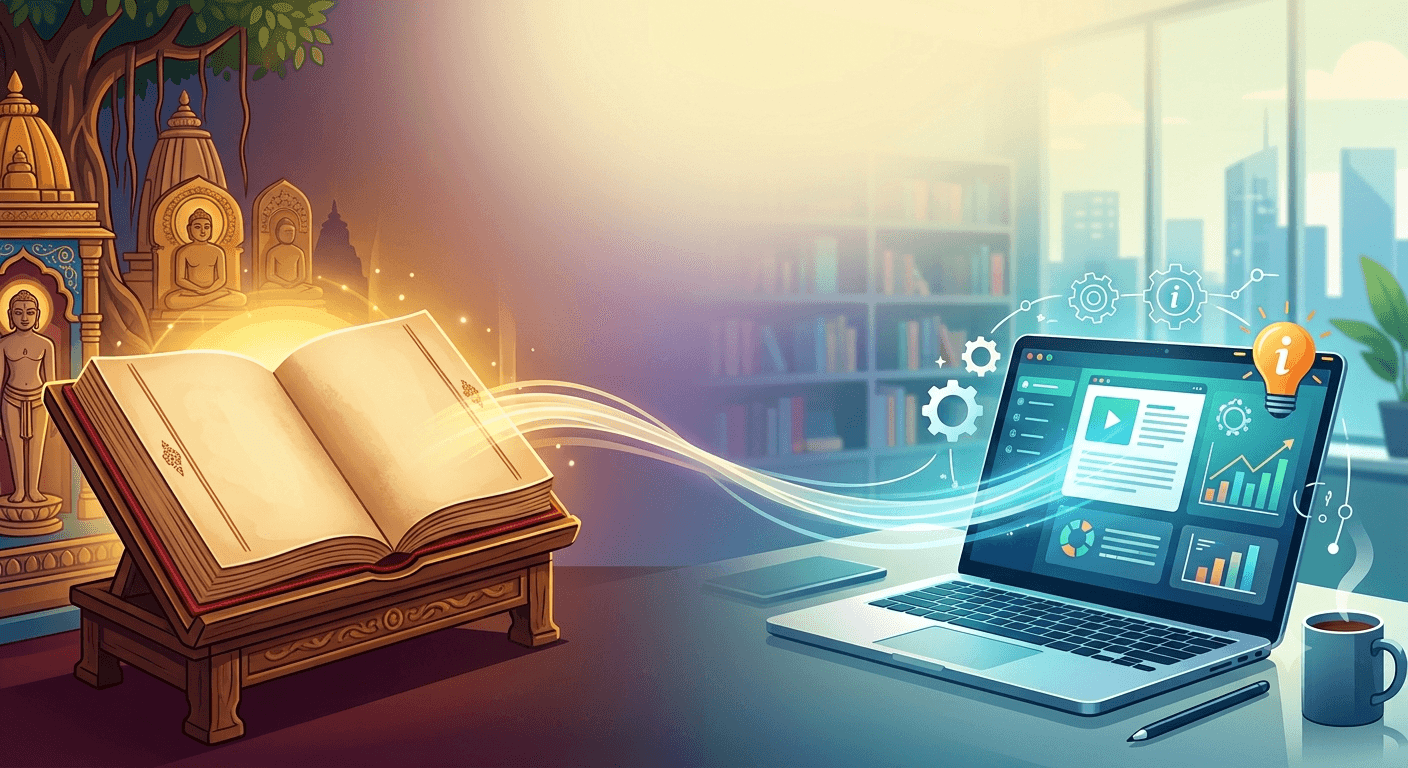
Learning does not always happen through books, lectures, or formal lessons. Sometimes an idea becomes easier to understand when it is presented through imagination, characters, stories, and visual experiences. In a world where children and younger generations are surrounded by digital content, traditional wisdom can become more meaningful when it is presented in ways that connect with how they naturally learn and engage.
Chhahdhala brings timeless Jain wisdom into a modern learning experience through animation and storytelling. Its content explores meaningful ideas related to the soul, self-awareness, conduct, desires, karma, and the journey within, helping introduce deeper concepts in an accessible format.
Making Ancient Wisdom Easier to Understand
Ancient spiritual teachings often contain ideas that may initially seem philosophical or difficult for younger audiences to understand. Concepts such as the soul, attachment, desires, and self-awareness require reflection rather than simple memorisation.
Storytelling can make these ideas easier to explore. When children see a character facing a situation involving desire, anger, attachment, kindness, or an important choice, they can relate the lesson to experiences from their own lives.
This approach can turn an abstract teaching into something more familiar and understandable.
Connecting With Modern Learning Habits
Today's generation is accustomed to learning and consuming information through digital platforms, videos, animation, and visual storytelling. This does not mean traditional wisdom has become less relevant. Instead, it creates an opportunity to present that wisdom through formats that today's audiences find engaging.
Chhahdhala uses animation and storytelling to connect timeless teachings with the interests and learning habits of a modern generation.
By combining meaningful ideas with visual experiences, spiritual learning can become more approachable without losing its deeper purpose.
Encouraging Children to Look Within
Modern education often focuses on helping children understand the world around them. Mathematics, science, languages, technology, and other subjects help them develop knowledge and practical skills.
However, understanding oneself is equally important.
Children experience emotions, desires, disappointment, jealousy, excitement, and attachment every day. Helping them recognise these experiences can encourage greater self-awareness. Questions such as “Why am I feeling this way?” or “Why do I want this?” can become the beginning of meaningful inner learning.
Chhahdhala introduces ideas that encourage children to explore these deeper questions about themselves and the meaning of a fulfilling life.
Learning Through Stories and Characters
One of the strengths of storytelling is its ability to make learning relatable. Instead of simply explaining an idea, a story allows children to observe it through a character's experiences.
A character may experience success and failure, struggle with a desire, become attached to something, make a mistake, or discover something about themselves. As children follow the story, they can naturally begin thinking about how similar situations appear in their own lives.
This creates an opportunity for learning through reflection rather than memorisation.
Bringing Spiritual Learning Into Everyday Life
Spiritual understanding does not have to remain limited to formal learning environments. Its value can be seen in everyday choices and behaviour.
When children learn to recognise anger before reacting, understand jealousy, reflect after making a mistake, or consider how their actions affect others, spiritual learning becomes connected with daily life. These small moments can gradually encourage qualities such as patience, compassion, honesty, responsibility, and self-control.
This makes ancient wisdom relevant not only as knowledge but also as a guide for thoughtful living.
Making Timeless Teachings Relevant to a New Generation
Connecting ancient wisdom with modern learning does not require changing the core message of the teachings. It can simply involve presenting those teachings in a format that allows today's audiences to discover and explore them.
Chhahdhala's use of animation and storytelling provides an accessible way to introduce meaningful spiritual concepts while connecting timeless teachings with modern interests and learning habits.
This approach can also create opportunities for parents and children to discuss deeper questions together.
Learning Beyond External Achievement
Modern life can sometimes encourage children to measure success through grades, awards, popularity, recognition, and other visible achievements. These accomplishments can be valuable, but they do not necessarily determine a person's inner happiness or sense of fulfilment.
Spiritual learning can provide another perspective by encouraging children to understand their thoughts, desires, intentions, actions, and attachments. This can help them appreciate achievement without allowing external recognition to completely define their sense of worth.
Creating Space for Deeper Questions
Perhaps the most valuable connection between ancient wisdom and modern learning is the opportunity to ask meaningful questions.
Who am I beyond my achievements? Why do I become attached to certain things? What makes me genuinely happy? How do my actions affect others? Why do I feel certain emotions?
These questions may not have immediate or simple answers, but asking them encourages reflection and self-awareness. Spiritual wisdom can offer perspectives for exploring these questions, while storytelling can make the process engaging and relatable.
Conclusion
Ancient wisdom remains meaningful because the questions it explores are not limited to one generation. Understanding the self, managing desires, recognising attachments, making thoughtful choices, and developing inner awareness are concerns that remain relevant in modern life.
Chhahdhala connects these timeless ideas with modern learning through animation and storytelling, creating an engaging way for a new generation to explore Jain wisdom and deeper questions about the soul, self-awareness, conduct, karma, desires, and inner development.
In a world where learning is increasingly visual and digital, presenting timeless wisdom through accessible stories can help children and families discover that ancient teachings can still offer valuable perspectives for understanding life today.